
Garage Door Opener Installation
Repairs | New Doors | Openers | Parts & Accessories
Garage Door Opener Installation: Professional Setup for Residential Automatic Garage Door Systems
Modern automatic garage door systems have transformed residential garage access by combining convenience with advanced security features. Garage door opener installation requires careful consideration of multiple factors, including drive system selection, power requirements, and safety compliance. Professional installation supports optimal performance, longevity, and adherence to equipment specifications while reducing the risks associated with improper setup.
The complexity of opener installation extends beyond mechanical mounting to include electrical connections, sensor calibration, and optional smart home connectivity. Homeowners must consider drive mechanisms, horsepower ratings, and connectivity features that can affect long-term reliability and satisfaction. Understanding these components helps determine whether a DIY approach is appropriate or whether professional installation is the best option for a safe, fully functional system.
Motor Unit Drive Systems Define Garage Door Opener Performance
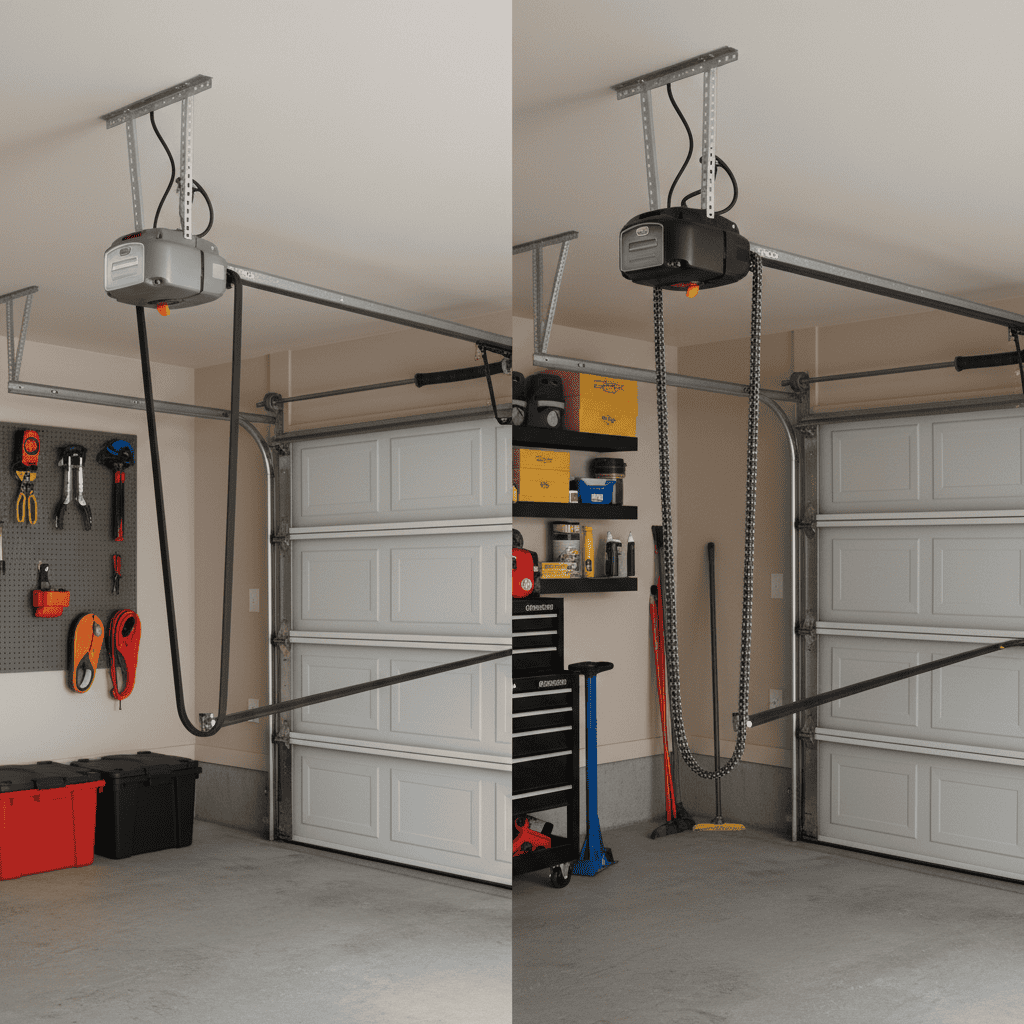
The drive mechanism is a core component of any automatic garage door system and directly affects noise levels, maintenance requirements, and long-term durability. Belt drive openers use reinforced rubber belts and operate with minimal sound, making them a strong choice for homes with living spaces adjacent to or above the garage. These systems are popular for quiet operation, though they often cost more than other drive types.
Chain drive openers are typically the most economical option, using a metal chain to move the trolley and carriage assembly. While they may produce more operational noise, they offer durable performance and strong lifting capacity for heavier doors. Screw drive openers use a threaded steel rod to move the door mechanism and generally require less maintenance due to having fewer moving parts. Direct drive systems feature a motor unit that travels along a stationary rail assembly, reducing vibration and supporting quieter operation.
What Are the Advantages of Direct Drive Opener Technology?
Direct drive opener systems use a design in which the motor unit travels along a stationary rail, eliminating traditional belts or chains. This reduces the number of moving components, which can lower wear and maintenance needs over time. Quiet operation makes direct drive technology a good fit for attached garages where sound transmission could affect indoor living areas.
These advanced configurations may provide strong reliability and simplified long-term maintenance. The streamlined design reduces potential failure points while supporting consistent performance in a range of temperatures. In higher-cycle applications, direct drive systems can be preferred when durability and minimized downtime are key priorities.
Professional Installer Services Ensure Safety System Compliance
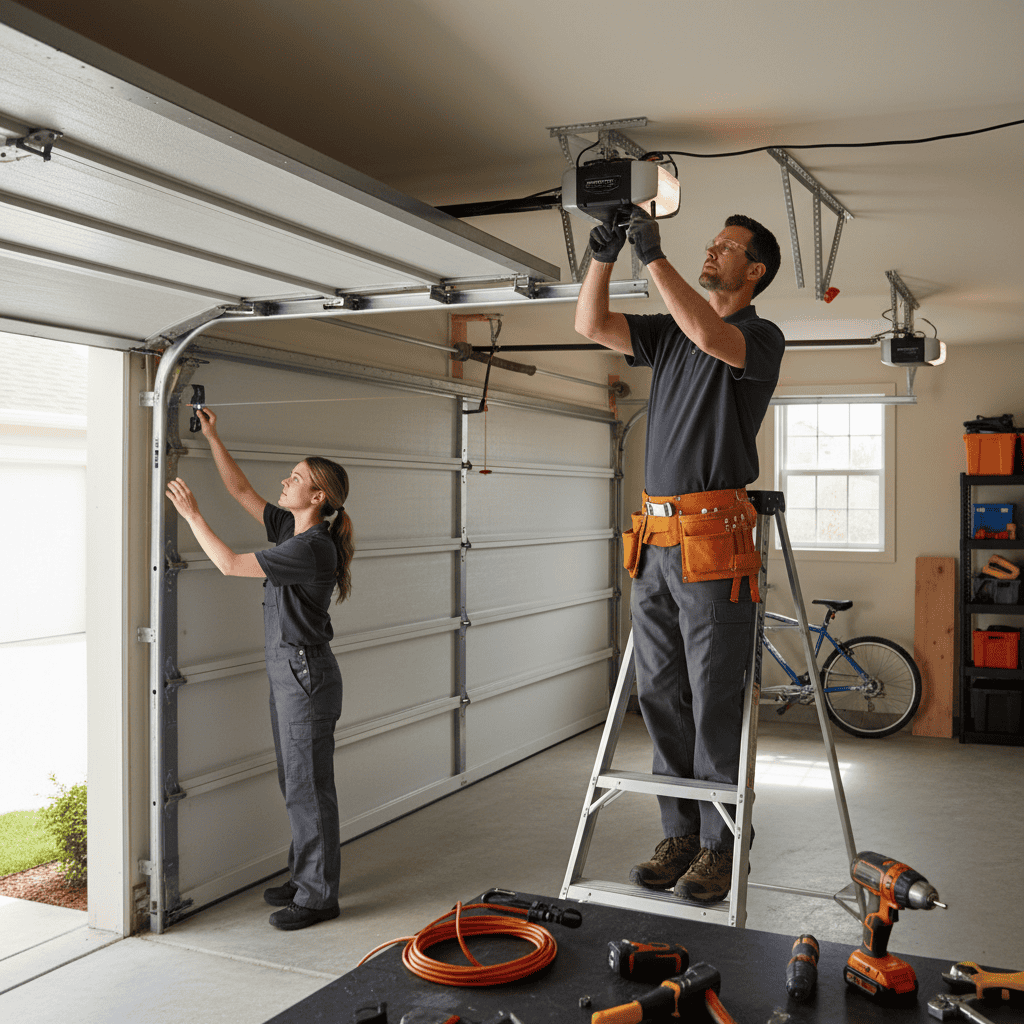
Licensed technicians bring specialized expertise to garage door opener installation, including knowledge of building codes, electrical requirements, and manufacturer specifications. Professional installation providers typically carry insurance coverage and offer warranty support that can help protect homeowners from risks related to improper setup. Many installations can be completed efficiently, often within a few hours, depending on system complexity and existing infrastructure.
Qualified installers verify safety sensor alignment and confirm photo eye sensors detect obstructions throughout the door’s travel path. They calibrate force settings and limit switches to help prevent excessive pressure that could damage property or cause injury. Professional setup also includes testing the emergency release function, confirming battery backup operation (if equipped), and verifying the electrical connection meets applicable safety requirements.
Why Should Homeowners Consider Licensed Technician Installation?
Modern opener systems may include wireless setup, connected features, and optional voice control through popular smart home platforms. Professional installers have specialized tools to ensure proper rail alignment, secure mounting, and accurate calibration. They also have diagnostic equipment to identify electrical or electronic issues that can impact opener performance.
Warranty terms may require professional installation to maintain coverage on motor units and electronic components. Incorrect mounting or improper bracket placement can create unsafe operating conditions and may affect warranty eligibility. Licensed technicians understand structural mounting needs, load distribution, and hardware selection for different construction materials, helping ensure a secure installation designed for long-term use.
Smart Home Garage Integration Enables Remote Access Control
Wi-Fi-enabled garage door opener technology can provide remote monitoring, scheduling, and activity notifications through a smartphone app. These connected systems allow homeowners to check door status from anywhere and receive alerts that help reduce the risk of leaving the garage door open unintentionally.
Modern systems support multiple access methods, including remote controls, keypad entry, and in-vehicle integrated garage controls. Hands-free operation may be available through compatible smart home ecosystems. Remote monitoring can alert homeowners to unexpected door activity, while scheduling features can automatically close the door at selected times for added convenience.
How Does Wi-Fi Installation Impact Opener Functionality?
Wi-Fi-enabled opener installation requires reliable wireless network coverage in the garage. In some homes, this may require a range extender or a whole-home network system to maintain consistent connectivity. App setup typically establishes encrypted connections between the opener and the home network to help reduce unauthorized access. Some systems may also support local connectivity methods for nearby smartphone control when internet service is unavailable.
Advanced configurations can integrate with broader home automation routines, coordinating garage access with lighting, security devices, and alerts. Wireless connectivity can also support firmware updates that improve performance and compatibility over time. Many systems allow temporary access sharing for visitors or service providers without distributing physical remotes or permanent codes.
Horsepower Rating and Lifting Capacity Match Door Weight Requirements
Selecting appropriate motor power helps ensure reliable operation across varying environmental conditions and door designs. Standard single-car residential installations commonly use one-half horsepower motors for doors up to approximately 300 pounds, while heavier insulated doors or oversized openings may require three-quarter horsepower units. Door weight assessments should account for insulation, windows, and decorative hardware that add mass and increase lift requirements.
Commercial applications and high-lift setups may require one horsepower or greater, especially when cycle frequency and mechanical load are higher. Choosing the correct motor size can improve consistency and reduce premature wear. Undersized motors may work harder than intended, increasing the risk of strain and early component failure.
What Factors Determine Appropriate Motor Power Selection?
Spring condition plays a major role in motor load requirements. Properly balanced doors should lift smoothly by hand with moderate effort, reducing stress on the opener. As springs wear and lose tension, the opener must work harder, increasing wear on drive components and potentially triggering safety reversals due to higher resistance.
Low-headroom installations and side-mount operator configurations may require specialized equipment designed for unique architectural constraints. Wall-mounted operator systems can be used when ceiling-mounted rail systems are impractical, such as in garages with high ceilings or overhead storage. These configurations may have different power specifications based on the door’s lift design and mechanical leverage.
Electrical Requirements and Safety Compliance Standards
Garage door opener installation should follow applicable electrical safety standards, which commonly require properly protected circuits and correctly sized breakers. Most residential systems operate on standard 120-volt power and draw several amperes during normal operation, with higher surge demand during startup. Power connections should be installed in a safe location and meet local requirements, including ground-fault protection where applicable.
In older homes, electrical infrastructure may require evaluation to confirm grounding, capacity, and safe outlet placement. Local rules may require a licensed electrician for certain electrical work, while plug-in installations may be allowed for homeowners in some areas. Following local code helps reduce safety risks and prevents costly corrections later.
How Does Battery Backup Installation Provide Emergency Operation?
Battery backup systems can maintain operation during power outages by switching to stored power when AC power is interrupted. Backup capability varies by model and door weight, but many systems provide a limited number of open/close cycles before needing to recharge. Battery backup setup includes connecting the battery unit to the opener’s charging circuit so it remains charged during normal operation.
Many systems include indicators that display charge status and alert users when the battery requires replacement. Batteries typically need replacement every few years depending on usage and conditions. Backup operation can be especially valuable when the garage is a primary access point during outages or severe weather events.
Sensor Installation and Safety System Calibration
Safety regulations require photo eye sensors on automatic garage door systems manufactured since 1993. These sensors use an infrared beam across the door opening and trigger reversal if the beam is interrupted while closing. Proper sensor installation requires stable mounting and precise alignment between the transmitter and receiver units.
Installers verify alignment using the sensor indicator lights and ensure wiring is routed safely to avoid pinch points or damage from moving door sections. Regular testing during tune-ups helps ensure ongoing compliance and consistent operation as hardware shifts over time.
What Role Do Limit Switches Play in System Operation?
Limit switches define the fully open and fully closed positions of the door, preventing the opener from running beyond safe travel ranges. Adjustment procedures vary by model and may include button sequences or control dials on the motor housing. Correct limit settings help ensure proper sealing at the floor and full opening clearance for vehicles.
Force settings work alongside limit controls to detect resistance and reverse when obstructions occur or when binding develops. Professional calibration balances sensitivity for safety while avoiding unnecessary reversals caused by normal friction. As springs age and door behavior changes, occasional recalibration may be needed to maintain safe, consistent operation.
Installation Service Cost Considerations and Value Analysis
| Service Component | DIY Cost Range | Professional Installation Cost | Complexity Level |
|---|---|---|---|
| Basic Chain Drive Installation | $150-$250 | $300-$500 | Moderate |
| Belt Drive Opener Setup | $200-$350 | $400-$650 | Moderate-High |
| Smart Wi-Fi Opener Installation | $250-$400 | $450-$750 | High |
| Side-Mount / Jackshaft System | $300-$500 | $600-$1,000 | Very High |
Garage door opener installation cost includes equipment, labor, and potential infrastructure updates such as electrical improvements or mounting reinforcement. Some large home improvement retailers offer installation services bundled with equipment purchases, which can provide convenience and standardized warranty support through established networks.
Value considerations go beyond the initial price to include long-term reliability, safety compliance, and warranty coverage. DIY installation may appeal to mechanically inclined homeowners, but mistakes can create safety hazards and lead to expensive repairs. Professional installation packages may include removal of old equipment, door balance checks, hardware adjustment, and connected-feature setup, which can justify the added cost.
Key Accessories Enhance Functionality and Convenience
- Wall Button Controls: Hardwired control panels that operate the door, control lighting, and may include lock-out features for added security
- Wireless Keypad Entry: Exterior PIN access systems that support multiple user codes and temporary access options
- Multi-Button Remote Controls: Vehicle transmitters that can operate multiple doors with secure encrypted communication
- Motion-Activated LED Lighting: Energy-efficient lighting with adjustable timers to improve visibility and safety
- Security Camera Integration: Connected camera options that support alerts, motion detection, and remote viewing where supported
Remote control setup involves programming secure communication between transmitters and the opener receiver to prevent unintended activation. Keypads are typically mounted near the garage entry using weather-resistant housings for durability. In-vehicle integrated garage controls can also be programmed, allowing convenient operation without separate visor remotes in many vehicles.
Some newer opener systems support simplified in-vehicle setup methods that reduce the steps required for pairing. When available, these options can streamline configuration while maintaining secure access control.
Frequently Asked Questions
How long does professional garage door opener installation typically take?
Professional installation of a standard residential garage door opener typically takes two to four hours depending on system complexity and existing garage conditions. Basic chain or belt drive installations generally finish faster, while connected feature setup, accessory installation, or structural adjustments may extend the timeline. Technicians also perform testing and calibration to confirm proper safety sensor operation and force setting adjustments.
Can existing garage door systems accommodate new smart opener installations?
Many existing systems can support smart opener installation if the door operates smoothly and the springs, tracks, and rollers are in good condition. Important factors include door balance, available mounting clearance, and reliable wireless network coverage in the garage. If the door is worn or unbalanced, repairs may be recommended before installing a new opener to reduce strain and improve long-term performance.
What garage door opener horsepower rating do I need for my door?
Many single-car doors work well with one-half horsepower openers, while heavier or double-car doors often benefit from three-quarter horsepower. Oversized doors or higher-cycle applications may require one horsepower or more. A professional assessment can help confirm the best motor size based on door weight, insulation, hardware, and operating conditions.
Do smart garage door openers work during internet outages?
Most systems will still operate using wall buttons and remotes during an internet outage. However, app-based remote access, off-site monitoring, and cloud notifications may be unavailable until internet service is restored. Some systems offer local connectivity options that can allow nearby smartphone control even when the internet is down.
What safety features are required on modern garage door openers?
Required safety features include photo eye sensors that reverse the door if the beam is interrupted, force reversal settings that stop or reverse when resistance is detected, an emergency release for manual operation, and properly calibrated travel limits. Wireless controls also commonly include secure communication features to help reduce unauthorized access.
Should I choose belt drive or chain drive for my garage door opener?
Belt drive openers are quieter and are often preferred when the garage is attached to living spaces. Chain drive openers are typically more budget-friendly and are known for durability, especially for heavier doors. The best choice depends on your noise preferences, door weight, and budget.
