
Garage Door Installation
Repairs | New Doors | Openers | Parts & Accessories
Garage Door Installation : Professional Setup for Residential and Commercial Overhead Door Systems
Garage door installation represents a significant home improvement investment that requires careful planning, proper execution, and professional expertise. Whether replacing an existing overhead door system or installing a new one during construction, understanding the process, materials, and technical requirements ensures optimal performance, safety, and longevity. This comprehensive guide examines the essential aspects of professional garage door installation, from selecting appropriate materials and hardware to understanding installation procedures and cost considerations.
Licensed Contractors and Garage Door Installers Ensure Code Compliance
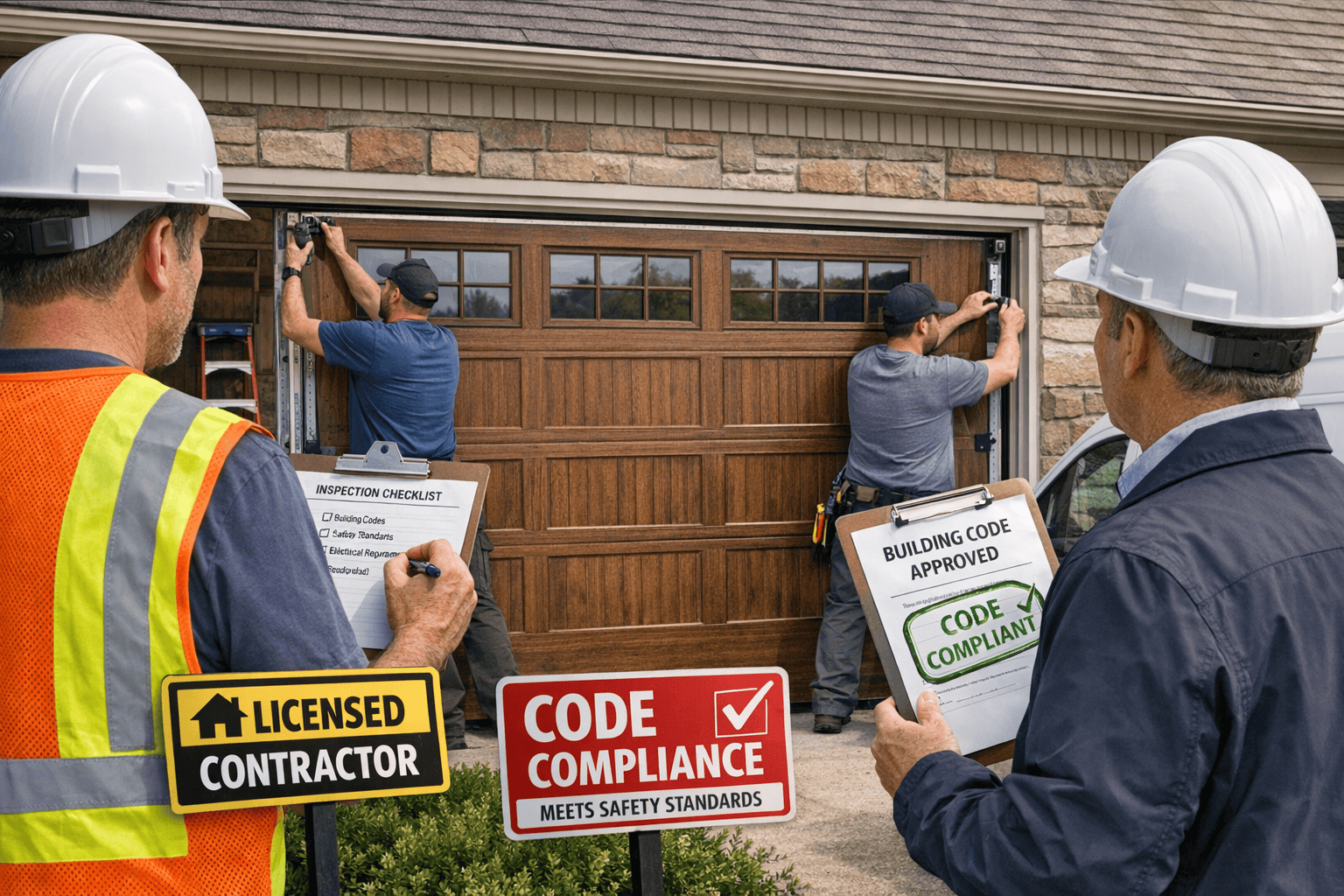
Professional garage door installation requires working with a licensed contractor who understands local building codes, HOA requirements, and permit regulations. Experienced garage door installers from established companies like Home Depot, Lowe’s, or specialized contractors affiliated with the International Door Association possess the technical knowledge and proper insurance coverage necessary for safe installation. Selecting an insured installer protects homeowners from liability and ensures that installation work meets manufacturer specifications required for valid warranty coverage on both materials and labor.
Why Should You Verify Contractor Credentials and Insurance?
Verifying a garage door company’s credentials protects your investment and ensures compliance with local regulations. Licensed installers understand frame construction requirements, proper rough opening dimensions, and necessary clearance specifications including headroom, backroom, and sideroom measurements. Additionally, reputable contractors provide comprehensive manufacturer warranties and labor warranties, typically ranging from one to five years, which cover defects in workmanship and material failures that may occur after installation.
Sectional Doors and Roll-Up Door Types Offer Distinct Installation Requirements
Different garage door styles present unique installation challenges and configuration requirements. Sectional doors, the most common residential choice, consist of horizontal panel sections connected by hinges that travel along a track system. Alternative options include roll-up doors for commercial applications, side-hinged doors for traditional aesthetics, and carriage house doors that combine classic appearance with modern functionality. Each door type requires specific hardware, clearance dimensions, and installation techniques that professional installers must accommodate during setup.
What Door Materials Work Best for Different Applications?
Material selection significantly impacts installation complexity, door performance, and longevity. Steel doors from manufacturers like Clopay, Amarr, and Wayne Dalton offer durability and low maintenance with various insulation options. Wood doors provide natural beauty but require additional structural support during installation due to their weight. Aluminum doors suit contemporary designs with lightweight frames, while fiberglass doors resist denting and maintain appearance in harsh climates. Insulated door panels with higher R-value ratings require reinforced track systems and stronger garage door openers to handle the additional weight.
Garage Door Opener Installation Integrates Smart Technology and Safety Features
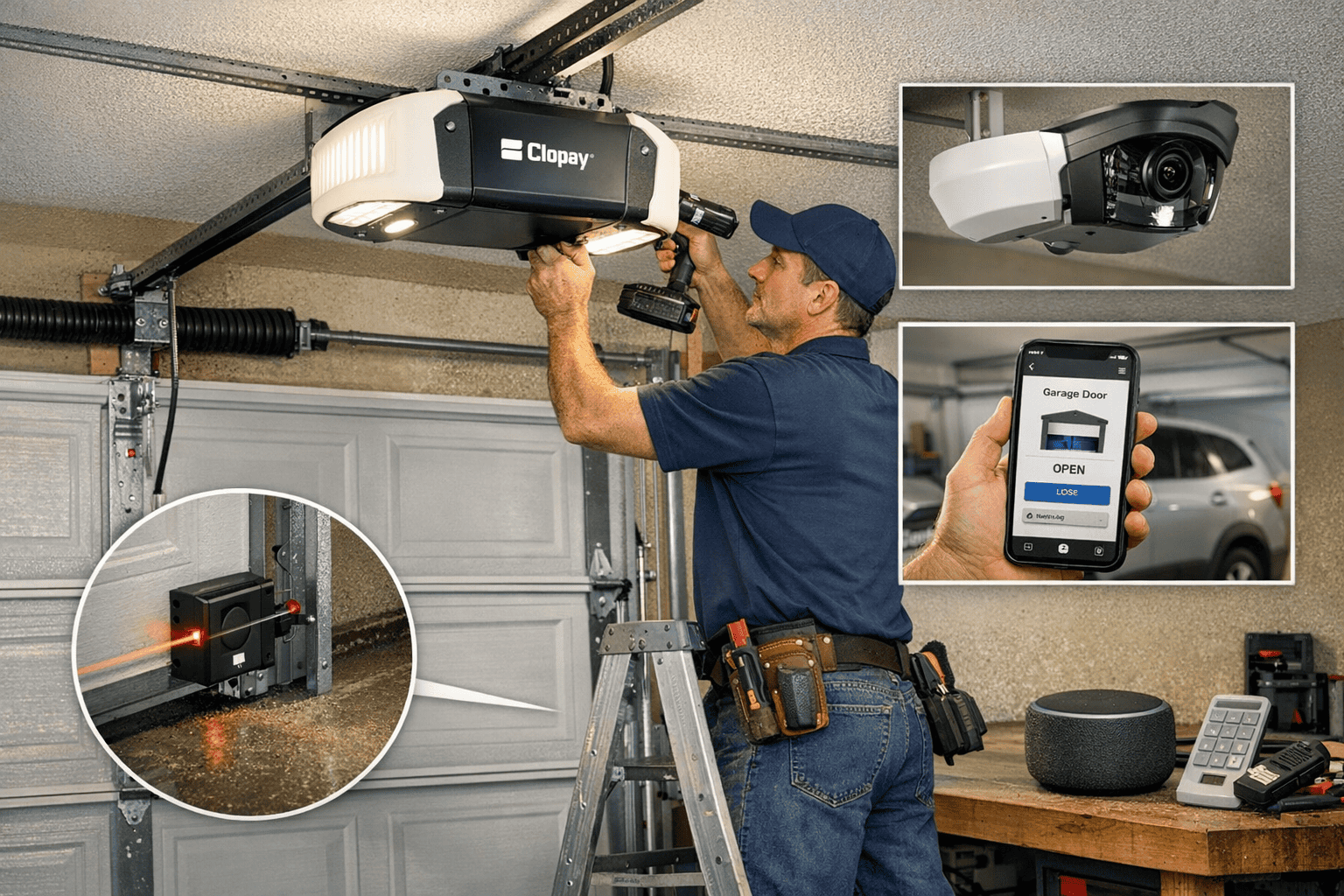
Modern garage door opener installation involves selecting appropriate drive mechanisms and horsepower ratings matched to door weight and size. Major manufacturers including Chamberlain, LiftMaster, and Genie offer belt drive openers for quieter operation, chain drive openers for affordability, screw drive openers for minimal maintenance, and direct drive openers for maximum reliability. Professional installation ensures proper mounting, safety sensor alignment, and integration of smart garage opener features like Wi-Fi enabled systems, MyQ technology, and smartphone control capabilities for enhanced convenience and security.
How Do Safety Sensors and Auto-Reverse Features Prevent Accidents?
Safety sensor installation constitutes a critical component of professional garage door setup, as photoelectric eyes detect obstructions and trigger the auto-reverse feature to prevent injury or property damage. Installers position these sensors precisely six inches above floor level on both sides of the door opening, ensuring proper alignment and testing functionality multiple times. Additional safety features include pinch-resistant panels that protect fingers during operation, emergency release mechanisms for manual operation during power outages, and backup battery systems that maintain functionality during electrical failures.
Torsion Spring and Extension Spring Systems Require Professional Installation
Spring installation represents the most dangerous aspect of garage door setup and absolutely requires professional expertise due to extreme tension forces involved. Torsion springs mount on a shaft above the door opening and provide balanced lifting force through controlled unwinding, while extension springs stretch along horizontal tracks and use pulley systems. Professional installers from companies like Overhead Door Corporation and Raynor possess specialized tools for spring winding, tension adjustment, and proper door balance calibration, ensuring smooth operation and preventing premature wear on the opener motor.
What Tools and Techniques Ensure Proper Spring Tension?
Spring tension adjustment demands precision measurements and specialized winding bars to safely compress and secure springs to the shaft. Installers calculate proper spring size based on door weight, height, and track configuration, then install drums, cables, and bearing plates before carefully winding springs to manufacturer specifications. The garage door balance must be tested by disconnecting the opener and manually lifting the door halfway—properly balanced doors remain stationary, while improperly tensioned springs cause doors to fall or rise, requiring immediate readjustment.
Track System Installation and Door Alignment Prevent Operational Problems
Proper track installation forms the foundation for smooth garage door operation and longevity. Professional installers ensure vertical tracks are perfectly plumb and horizontal sections are level, using shims and adjustment brackets to achieve precise alignment. The track system must be square with the door opening, with uniform spacing maintained throughout to prevent roller binding or excessive wear. Quality rollers, hinges, and hardware from established manufacturers reduce friction and noise while extending component lifespan significantly beyond economy-grade alternatives.
How Does Frame Construction Affect Installation Success?
Frame construction quality directly impacts installation difficulty and long-term performance, as headers, jambs, and lintels must provide adequate structural support for door weight and opener forces. The rough opening dimensions must accommodate the door size plus necessary clearances for track mounting and weather stripping installation. Professional installers verify that headers can support the combined weight of the door, opener, and dynamic forces during operation, sometimes requiring additional structural reinforcement before proceeding with installation to prevent sagging or misalignment over time.
Garage Door Installation Costs Vary by Material, Size, and Features
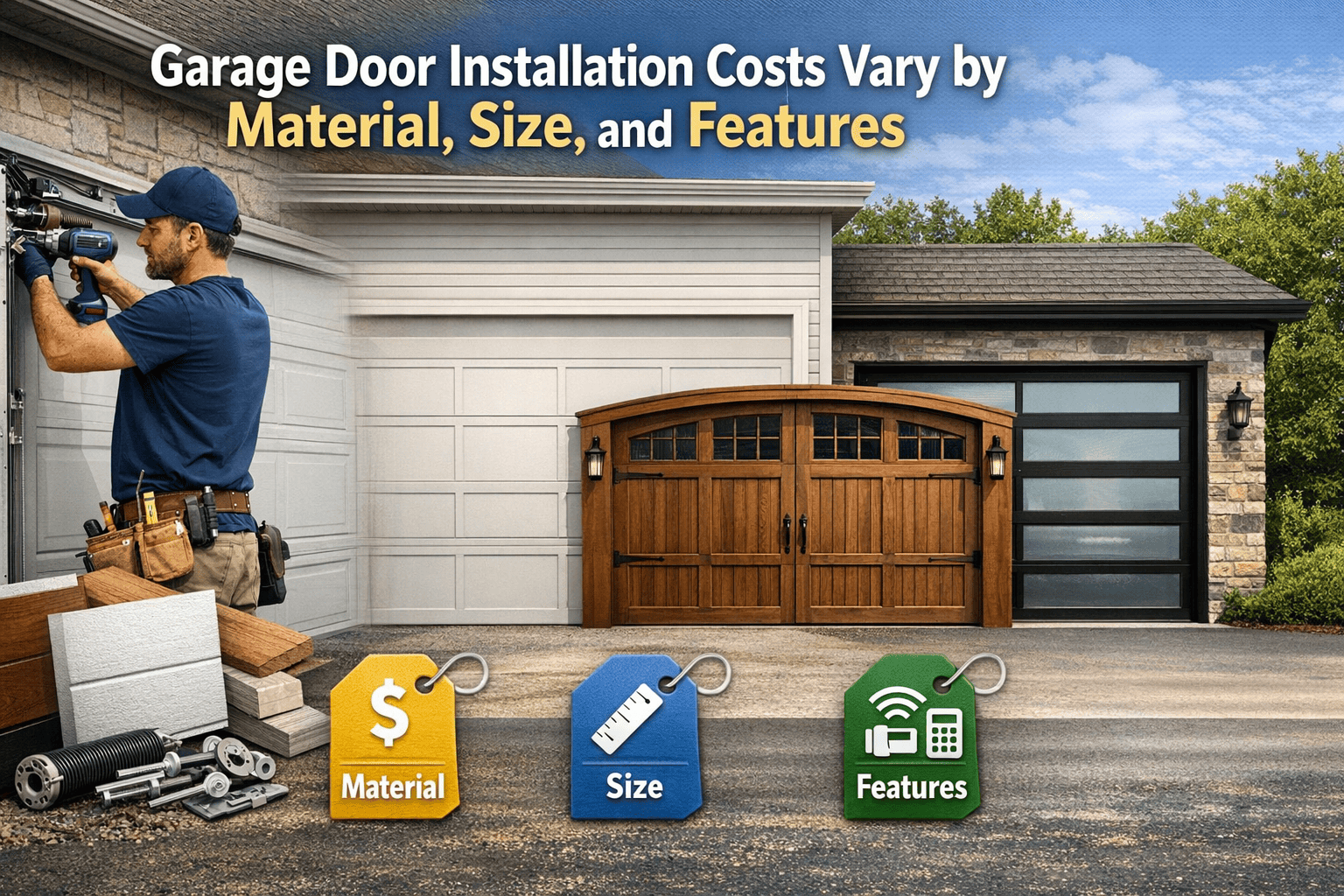
Understanding garage door installation pricing helps homeowners budget appropriately and compare quotes effectively. Installation costs typically range from $500 to $1,500 for labor alone, with material costs adding $400 to $4,000 depending on door size, material, and insulation quality. Single garage door installation generally costs less than double garage door installation due to reduced material and labor requirements. Additional expenses include opener installation, decorative hardware, window inserts, and premium finishes that enhance curb appeal but increase overall project investment.
| Door Type | Material Cost Range | Installation Labor | Total Investment |
|---|---|---|---|
| Single Steel (Non-Insulated) | $400-$800 | $500-$700 | $900-$1,500 |
| Double Steel (Insulated) | $800-$1,800 | $700-$1,000 | $1,500-$2,800 |
| Wood Carriage House | $2,000-$4,000 | $800-$1,500 | $2,800-$5,500 |
| Custom Aluminum/Glass | $2,500-$6,000 | $1,000-$2,000 | $3,500-$8,000 |
What Factors Influence Installation Time and Labor Costs?
Installation time typically ranges from four to six hours for standard residential garage door replacement, though complex projects requiring structural modifications or custom door configurations may extend to multiple days. Labor costs increase when removing and disposing of existing doors, modifying rough openings, reinforcing headers, or installing multiple remote controls, wall buttons, and keypad entry systems. Same day installation services command premium pricing, while scheduling flexibility and obtaining multiple free estimates from contractors affiliated with HomeAdvisor or Angi can reduce overall project expenses significantly.
Weather Stripping and Bottom Seal Installation Improve Energy Efficiency
Professional installers ensure comprehensive weather sealing by installing weather stripping along door jambs and headers, plus durable bottom seals that contact the garage floor uniformly. These components prevent air infiltration, reduce energy loss, and protect garage contents from moisture, dust, and pests. Insulated garage doors with high R-value ratings provide maximum thermal protection, with premium models achieving R-16 or higher insulation values that significantly reduce heating and cooling costs while improving interior comfort in attached garages.
How Do Color Options and Design Choices Affect Installation?
Modern garage doors offer extensive design flexibility with numerous color options, panel designs including raised panels, flush panels, and recessed panels, plus various window styles and decorative accents. While aesthetic choices don’t typically complicate standard installation procedures, custom designs with unique hardware accessories or specialty finishes may require additional installation time. Popular styles include carriage style doors with traditional appearance, modern garage doors featuring clean lines and contemporary materials, and wood tone finishes on steel construction that combine beauty with durability and minimal maintenance requirements.
Frequently Asked Questions
How long does professional garage door installation typically take?
Standard residential garage door installation requires approximately four to six hours for experienced professionals to complete, including removal of the existing door if applicable. Complex installations involving structural modifications, custom doors, or additional features like smart garage technology may extend to a full day or require multiple visits to ensure proper setup and testing of all components.
Do I need a permit for garage door replacement?
Permit requirements vary by municipality, with many jurisdictions requiring permits for garage door replacement to ensure installations meet local building codes and safety standards. Licensed contractors typically handle permit applications and inspections as part of their service, ensuring compliance with regulations regarding wind load ratings, fire resistance, and structural requirements that protect homeowners and maintain property values.
What is the average cost difference between DIY and professional installation?
Professional installation typically costs between $500 and $1,500 for labor, while DIY installation eliminates this expense but requires specialized tools, technical knowledge, and significant time investment. However, improper DIY installation risks personal injury from spring tension, voided manufacturer warranties, and potential repair costs that often exceed initial professional installation expenses, making professional service the safer and more cost-effective choice for most homeowners.
How do I choose between chain drive and belt drive garage door openers?
Chain drive openers cost less initially and provide reliable performance with minimal maintenance, making them ideal for detached garages, while belt drive openers operate significantly quieter and suit garages attached to living spaces where noise reduction matters. Belt drive systems from manufacturers like LiftMaster and Chamberlain typically cost $100 to $200 more than chain drive alternatives but deliver smoother operation and longer component lifespan.
What R-value insulation should I choose for my garage door?
R-value selection depends on climate conditions and garage usage, with R-8 to R-12 providing adequate insulation for moderate climates and unheated garages, while R-16 or higher suits extreme climates or heated garage spaces. Higher insulation values increase material costs and door weight, requiring appropriately rated openers with sufficient horsepower, but deliver substantial energy savings and improved interior temperature control that justify the additional investment.
Are smart garage door openers worth the additional installation cost?
Wi-Fi enabled openers with MyQ technology or similar smart features add approximately $100 to $300 to installation costs but provide remote monitoring, smartphone control, and integration with home automation systems that enhance security and convenience. These systems allow homeowners to verify door status remotely, grant temporary access to visitors, and receive alerts about door activity, making them valuable investments for tech-savvy homeowners prioritizing home security and connected convenience.
